Why So Many Kids Are Getting Cavities (And How to Stop It)
If it feels like more children in your community are coming home from the dentist with cavities, you're not imagining things. Tooth decay is now the most common chronic disease affecting children in the United States — more prevalent than asthma, allergies, and diabetes combined. Across New Hampshire, families in Londonderry, Derry, Manchester, and surrounding communities are witnessing firsthand how quickly a child's smile can be affected when cavity prevention isn't a priority.
At Nanarao Krothapalli DMD PLLC, we see children at various stages of dental health — and we understand how upsetting it can be for a parent to learn their child has a cavity, especially when you feel like you've been doing everything right. The good news: cavities are almost entirely preventable. Understanding why they happen is the first and most important step toward stopping them before they start.
The Hidden Sugar Problem
One of the biggest drivers of childhood cavities is sugar — and the challenge is that sugar hides in places many parents don't expect. It's not just candy and soda. Juice boxes, flavored yogurts, granola bars, fruit pouches, and even crackers all contain sugars that feed the bacteria responsible for tooth decay. Every time a child eats or drinks something sugary, those bacteria produce acid that attacks tooth enamel for up to 20 minutes afterward.
Frequent snacking throughout the day is particularly harmful. When children graze on snacks every hour or two, their teeth never get a break from acid exposure. Dentists often describe this as a series of "acid attacks" — and with frequent sugar consumption, those attacks become nearly constant. Encouraging kids to eat at defined mealtimes and limiting between-meal snacks can make a significant difference in their long-term cavity risk.
Drinks deserve special attention as well. Many parents switch from soda to juice thinking it's a healthier choice, but juice can be just as damaging to teeth due to its high natural sugar content. Water — especially fluoridated water — is by far the best drink for a child's dental health. Milk is also a solid option, as it contains calcium that helps strengthen enamel and supports healthy tooth development.
Brushing Habits That Aren't Working
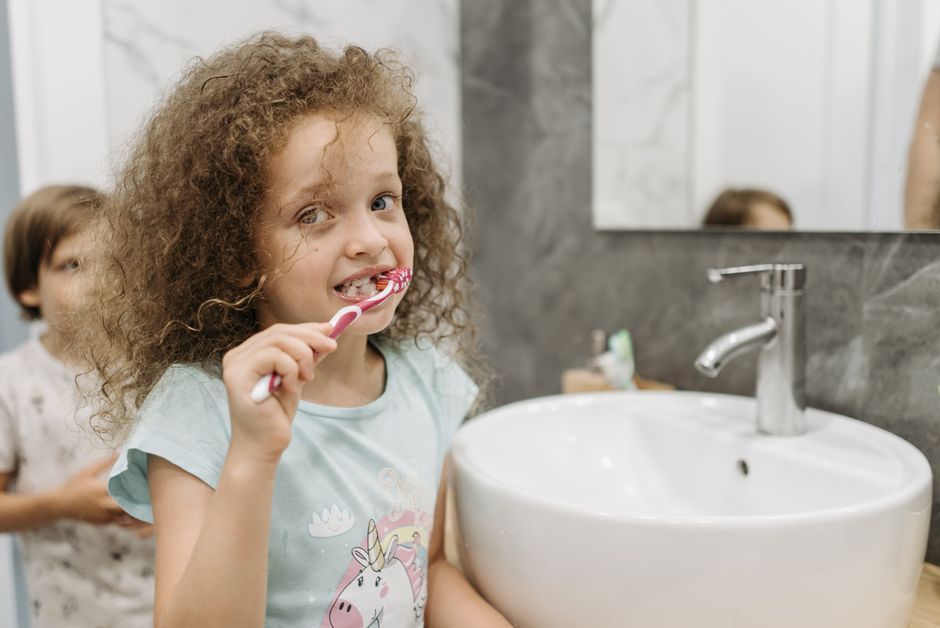
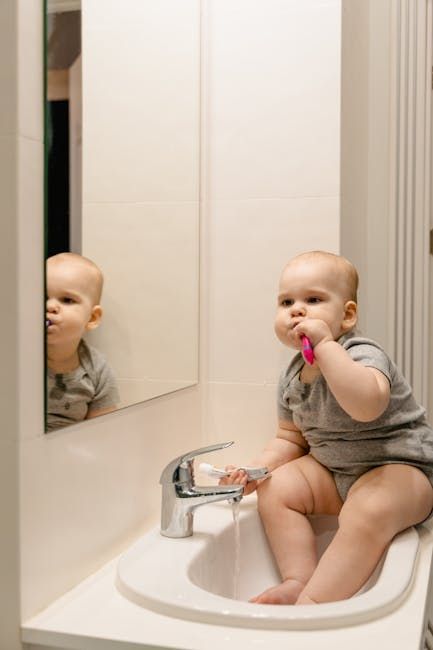
Most parents know children should brush twice a day — but knowing it and doing it correctly are two different things. Children under 7 or 8 typically lack the fine motor skills to brush effectively on their own. Their brushing strokes are often too quick, miss the back molars entirely, and skip the gumline where plaque builds up most aggressively.
Dental professionals recommend that parents should brush their child's teeth for them — or at minimum, follow up after the child has had a turn — until around age 7 or 8. This isn't about mistrust; it's about developmental reality. Young children simply cannot reach all the surfaces of their teeth with the precision needed to remove plaque before it hardens into tartar.
Fluoride toothpaste matters too. For children under 3, a smear the size of a grain of rice is appropriate. For children ages 3 to 6, a pea-sized amount is recommended. Fluoride strengthens enamel and can actually reverse early-stage decay before it becomes a true cavity. Make sure your child is using an age-appropriate fluoride toothpaste — and spitting, not swallowing.
Why Baby Teeth Matter More Than You Think
A common and costly misconception is that baby teeth don't matter much because they'll fall out anyway. This thinking leads many parents to delay dental care or feel less urgency about cavity prevention in young children. In reality, baby teeth play critical roles in a child's overall development that extend far beyond their temporary lifespan.
Baby teeth hold space in the jaw for permanent teeth. When a baby tooth is lost too early due to decay, neighboring teeth can drift into that space, causing crowding and alignment problems that often require expensive orthodontic treatment later. Baby teeth also help children chew properly, speak clearly, and smile confidently during their formative years. A child with painful cavities may struggle to eat well, sleep soundly, and concentrate in school.
Cavities in baby teeth also don't stay contained — untreated decay can spread to the roots and affect the developing permanent teeth underneath. Taking care of baby teeth is a direct investment in the health of your child's adult smile.
Sippy Cups, Bottles, and Nighttime Habits
For toddlers and very young children, two common habits are particularly damaging: using a sippy cup filled with juice or milk throughout the day, and falling asleep with a bottle. When a child sips juice or milk continuously from a sippy cup, their teeth are bathed in sugar for hours. The same is true for children who fall asleep with a bottle — milk pools around the teeth throughout the night, creating ideal conditions for decay.
Dentists call this "baby bottle tooth decay" or "early childhood caries," and it can cause rapid, severe damage to a toddler's front teeth. The solution is straightforward: use sippy cups only for water between meals, and transition children away from bedtime bottles as early as possible. If your child needs comfort to sleep, a pacifier or stuffed animal is far kinder to their teeth than a bottle of milk or juice.
Sealants and Fluoride: Powerful Prevention Tools
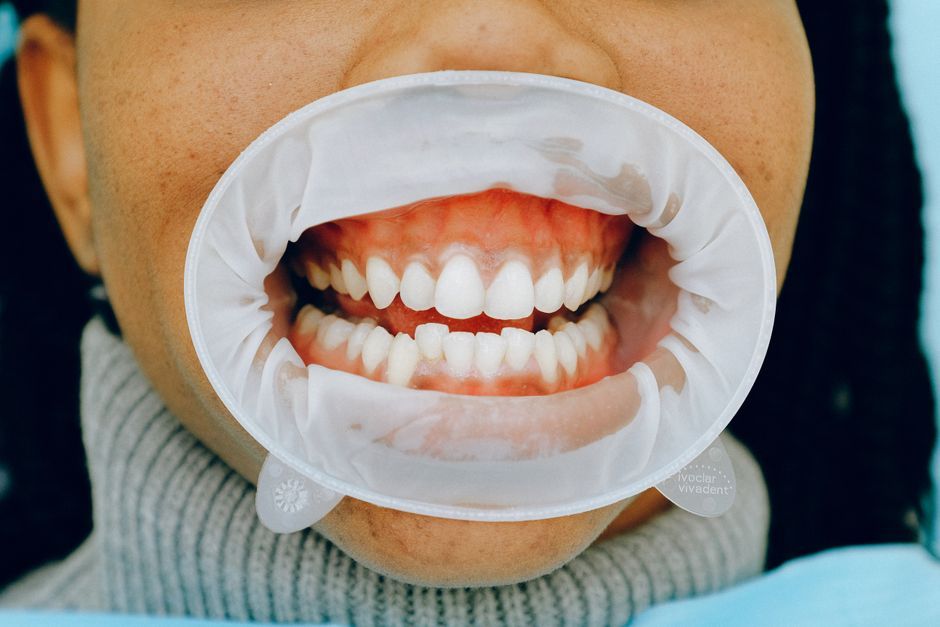
Two of the most effective preventive tools available in our office are dental sealants and professional fluoride treatments. Sealants are thin protective coatings painted onto the chewing surfaces of back molars — the teeth most prone to cavities due to their deep grooves. Sealants can reduce the risk of cavities in those teeth by up to 80 percent and typically last several years with normal wear.
Professional fluoride treatments — applied as a varnish during your child's checkup — deliver a higher concentration of fluoride than toothpaste alone and can significantly strengthen enamel between visits. These treatments take just a few minutes and are one of the most cost-effective ways to reduce cavity risk, particularly for children who are cavity-prone or have limited access to fluoridated drinking water.
When Should Your Child First See a Dentist?
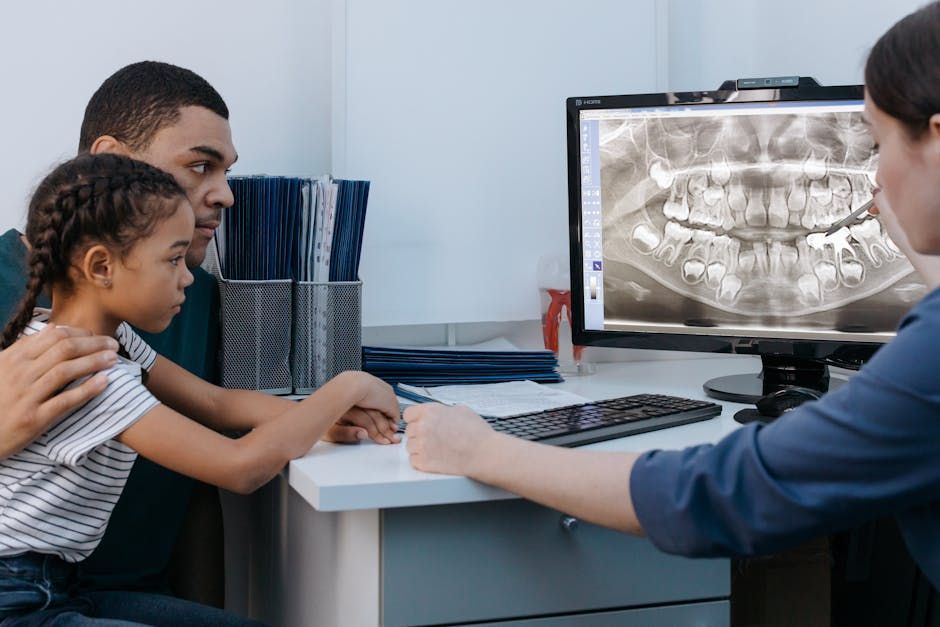
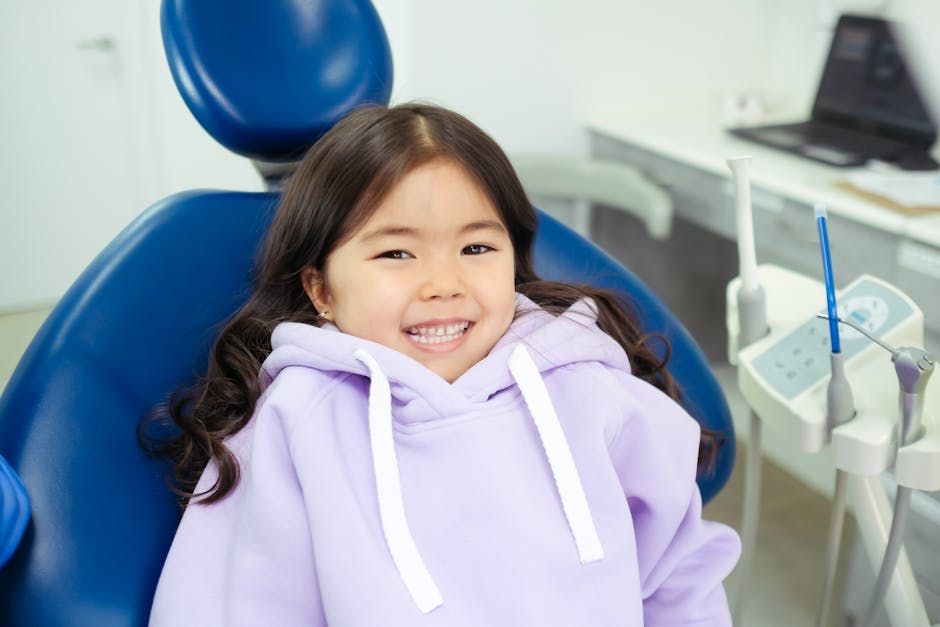
The American Academy of Pediatric Dentistry recommends that children have their first dental visit by age 1, or within 6 months of their first tooth appearing. This may sound early, but early visits allow the dentist to catch any beginning signs of decay, give parents personalized guidance on brushing and diet, and help children grow comfortable in the dental chair before any treatment is needed.
Children who start dental visits early are far more likely to maintain regular care throughout their lives. Routine checkups — typically every six months — allow our team to apply fluoride, place protective sealants, and catch any problems early before they become painful or expensive to treat.
Nanarao Krothapalli DMD PLLC
Cavities are common, but they are not inevitable. With the right habits at home and consistent professional care, most children can grow up with healthy, strong smiles and avoid the pain and expense of extensive dental work. Whether your family is in Londonderry, Derry, Manchester, Hudson, Windham, or anywhere across southern New Hampshire, our team is here to help.
Ready to schedule your child's next checkup or first visit? Contact Nanarao Krothapalli DMD PLLC today. Call us at (603) 432-6430 or stop by our office at 25 Nashua Rd #3, Londonderry, NH 03053.