Dental Anxiety: How to Stop Being Scared of the Dentist
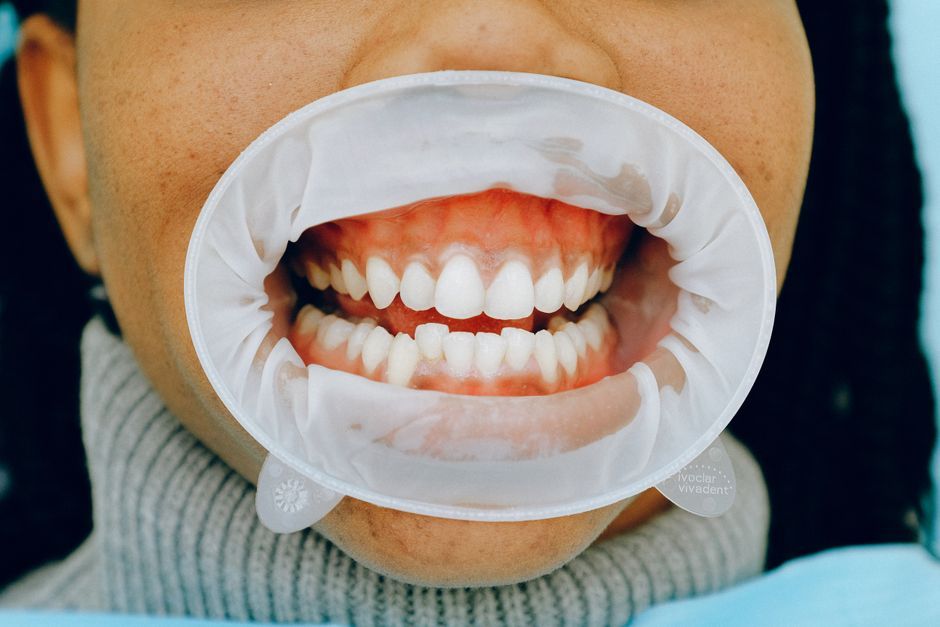
If the thought of sitting in a dental chair makes your stomach drop, you're in very good company. Dental anxiety affects an estimated 36 percent of the population, and for roughly 12 percent of people, the fear is severe enough to be classified as dental phobia — a condition that causes them to avoid the dentist entirely, sometimes for years or even decades. In communities across New Hampshire, including Londonderry, Derry, Manchester, and Hudson, many adults are quietly living with dental problems that could have been prevented or treated simply because fear kept them from making an appointment.
At Nanarao Krothapalli DMD PLLC, we understand that dental anxiety is real, it's common, and it's nothing to be ashamed of. We also know that avoiding dental care because of fear creates a painful cycle — small problems become big ones, which makes visits feel even more daunting. The good news is that modern dentistry has changed dramatically, and there are genuinely effective strategies for making dental care comfortable, even for the most anxious patients.
Where Dental Anxiety Comes From
Dental anxiety rarely appears out of nowhere. For most people, it traces back to a specific experience — often from childhood. A painful procedure, an impatient provider, or a feeling of being helpless or unheard can create a lasting emotional imprint. The brain stores that memory as a threat, and even decades later, the smell of a dental office or the sound of a drill can trigger the same stress response as the original experience.
For others, dental anxiety stems from a fear of pain, a fear of needles, or a general discomfort with having someone work in such a personal and vulnerable space as the mouth. Some people feel anxious about gagging, about losing control, or about receiving bad news about their teeth. Others simply feel embarrassed about the current state of their oral health after years of avoidance — and that embarrassment becomes its own barrier to seeking care.
It's also worth noting that dental anxiety tends to feed itself. The longer someone avoids the dentist, the more their dental health deteriorates. When they finally do visit, there's more to address — which reinforces the belief that the dentist is a place of bad news and unpleasant procedures. Breaking this cycle requires both practical strategies and a dental team that genuinely understands the emotional side of care.
How Modern Dentistry Has Changed
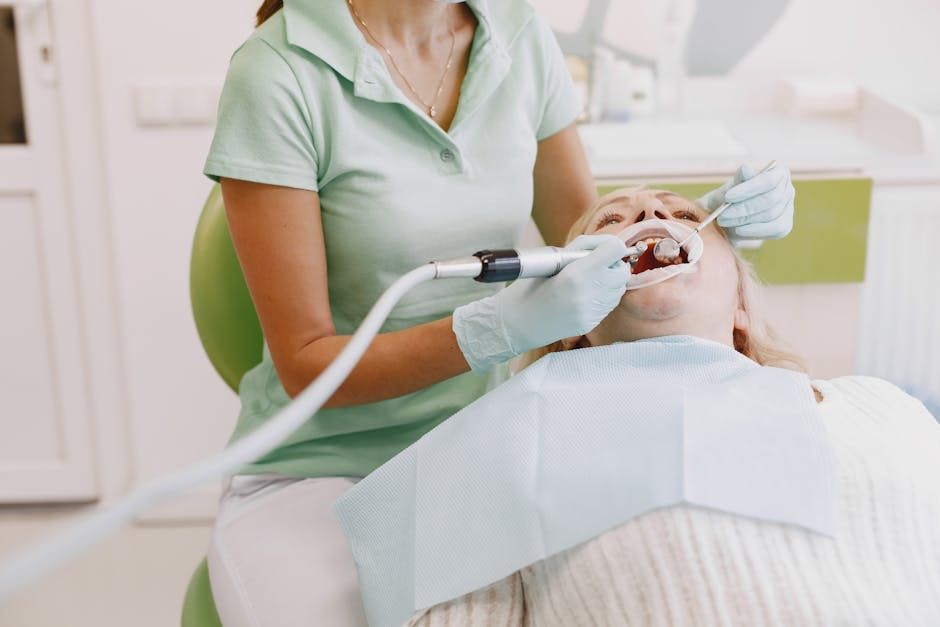
One of the most important things anxious patients need to hear is this: dentistry today is fundamentally different from what many people experienced years ago. Anesthetics are more effective and faster-acting. Techniques are gentler. Equipment is quieter. And the entire culture of dental care has shifted toward patient comfort and communication in ways that would have been unrecognizable a generation ago.
Local anesthetics today are extremely effective at eliminating pain during procedures. The injection itself — often the most feared part — can be made significantly more comfortable through topical numbing gel applied before the needle, slow and careful injection technique, and the use of finer needles than what was standard in the past. Most patients are surprised to discover that a properly administered injection is far less uncomfortable than they anticipated.
Beyond pain management, modern dental offices are designed with patient experience in mind. Comfortable chairs, calming décor, and thoughtful communication protocols all play a role. Many dentists now use a "tell-show-do" approach — explaining exactly what they're about to do, showing the patient the instrument, and only then proceeding — which gives patients a sense of control and predictability that dramatically reduces anxiety.
Practical Strategies for Managing Dental Anxiety
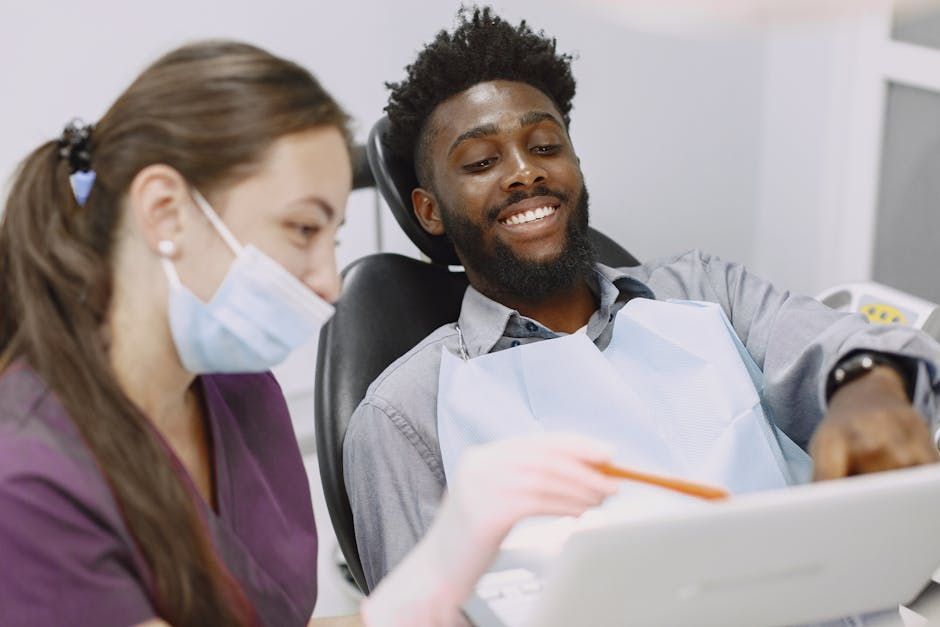
There are several evidence-supported strategies that anxious patients use to make dental visits more manageable. One of the most effective is simply communicating your anxiety to your dental team before the appointment. When we know a patient is nervous, we can adjust our approach — taking more time, explaining each step, offering more frequent check-ins, and creating a safe word or hand signal the patient can use if they need a break at any point.
Scheduling strategically can also help. Many anxious patients find that morning appointments work better because there's less time to build up anticipatory anxiety throughout the day. Choosing a quieter time — rather than a busy lunchtime slot — can also make the experience feel calmer and less rushed. Bringing headphones and a favorite playlist or podcast is another simple tool that many patients find genuinely helpful for blocking out sounds that trigger anxiety.
Breathing techniques are another underrated resource. Slow, controlled breathing activates the parasympathetic nervous system and physically counteracts the stress response. Taking five slow breaths before entering the office, and consciously breathing through any procedure, can make a measurable difference in how the body responds to a stressful situation. Some patients also find progressive muscle relaxation or guided meditation apps helpful in the days leading up to an appointment.

Starting Small and Building Confidence
For patients who have avoided the dentist for a long time, the idea of jumping straight into a full examination and cleaning can feel overwhelming. A useful approach is to start with a consultation visit — no treatment, no instruments, just a conversation. This gives the patient a chance to meet the dental team, see the office, ask questions, and establish trust before any clinical work begins.
From there, progress can be gradual. Many patients find that once they've had one or two comfortable experiences at the dentist, their anxiety naturally begins to decrease. The fearful expectation doesn't match the actual experience, and the brain slowly updates its threat assessment. Each positive visit builds a new set of memories that begins to outweigh the old ones.
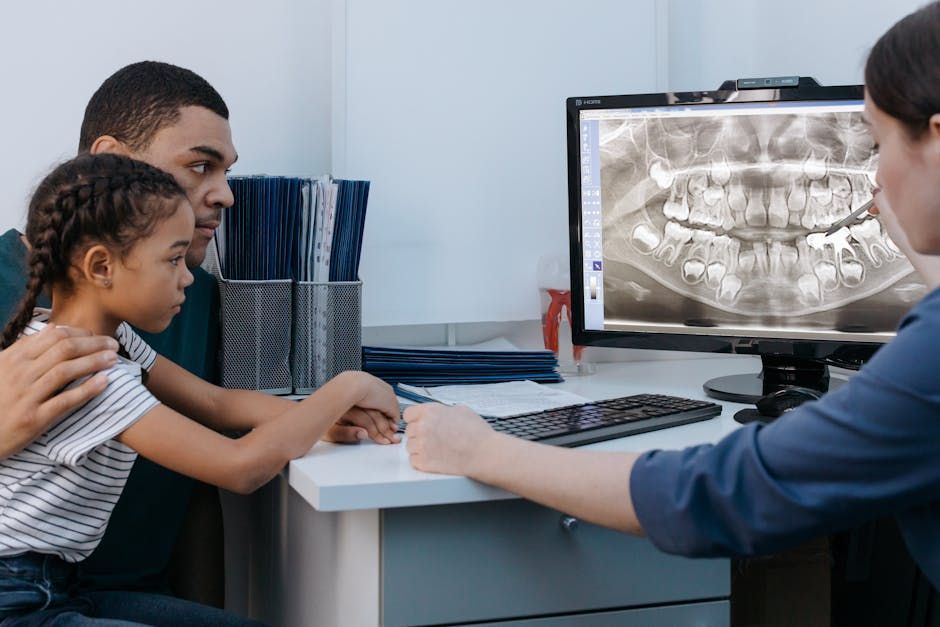
For children especially, this approach is invaluable. Bringing a child in for a "happy visit" — where they simply sit in the chair, meet the hygienist, and perhaps have their teeth counted — before any actual treatment is needed creates a foundation of positive association that can last a lifetime. Parents who model calm, matter-of-fact attitudes about dental visits also play a significant role in shaping how their children approach dental care as they grow.
When Anxiety Is More Severe
For patients whose anxiety is severe enough that even gentle, communicative dental care isn't sufficient, sedation options are available. Nitrous oxide — commonly known as laughing gas — is a mild sedative inhaled through a small mask that creates a feeling of relaxation and mild euphoria without putting the patient to sleep. It takes effect within minutes, wears off quickly, and allows patients to drive themselves home after their appointment. Many patients who use nitrous oxide are surprised by how comfortable and manageable they find the experience.
For more significant anxiety or complex procedures, oral sedation — a prescription medication taken before the appointment — can provide deeper relaxation while the patient remains conscious and able to respond. Discussing your level of anxiety openly with our team is the first step toward identifying which approach might be most appropriate for your situation. There is no level of dental anxiety that is "too much" to address — our goal is simply to help you get the care you need in a way that feels safe and manageable.
Nanarao Krothapalli DMD PLLC
Dental anxiety is common, understandable, and — most importantly — manageable. The first step is often the hardest: picking up the phone or sending a message. Once that barrier is crossed, many patients find that the experience is far better than they feared, and that taking care of their oral health feels like an act of self-respect rather than an ordeal. Whether you're in Londonderry, Derry, Manchester, Hudson, Windham, or anywhere across southern New Hampshire, our team is here to meet you wherever you are.
Ready to take the first step? Contact Nanarao Krothapalli DMD PLLC today — we'd love to hear from you and talk about how we can make your visit as comfortable as possible. Call us at (603) 432-6430 or visit us at 25 Nashua Rd #3, Londonderry, NH 03053.