Blog Post

5 Winter Dental Care Tips for New Hampshire Families

Danny • January 20, 2026

Winter in New Hampshire brings stunning snowy landscapes, cozy evenings by the fire, and unique challenges for your family's dental health. As temperatures drop and heating systems work overtime, your teeth and gums face seasonal stressors that many Granite State families don't realize. At Smiles of NH, we've treated countless patients dealing with winter-related dental issues, and we're here to help you protect your smile through the coldest months of the year.

From the White Mountains to the Seacoast, New Hampshire winters are no joke. The combination of frigid outdoor temperatures, dry indoor heating, and holiday treats creates a perfect storm for dental problems. Whether you're skiing at Loon Mountain, ice fishing on Lake Winnipesaukee, or simply braving the commute through Manchester, your teeth deserve special attention during these harsh months. Let's explore the most effective strategies to keep your family's smiles healthy and bright all winter long.

1. Combat Dry Mouth from Indoor Heating

New Hampshire winters force us indoors, where heating systems run constantly to keep our homes comfortable. While this keeps us warm, it also creates an extremely dry environment that significantly impacts your oral health. Dry mouth, or xerostomia, isn't just uncomfortable—it's a serious dental concern that can lead to cavities, gum disease, and bad breath.

Saliva plays a crucial protective role in your mouth. It neutralizes acids produced by bacteria, washes away food particles, and provides disease-fighting substances throughout your mouth. When heating systems reduce humidity levels in your home to 10-20% (compared to the ideal 30-50%), your saliva production decreases dramatically. This leaves your teeth vulnerable to bacterial attack and decay.

To combat this winter challenge, invest in a quality humidifier for your bedroom and main living areas. Keep it running throughout the night and during the day when you're home. Aim for humidity levels between 30-40% to maintain optimal saliva flow. Additionally, drink plenty of water throughout the day—at least eight glasses. Many New Hampshire residents don't feel as thirsty in winter, but your body needs just as much hydration as it does in summer.

Sugar-free gum can also be your ally during dry winter months. Chewing stimulates saliva production naturally. Look for gum sweetened with xylitol, which not only promotes saliva flow but also helps prevent cavity-causing bacteria from adhering to your teeth. Keep a pack in your car, office, and home for convenient access throughout the day.

2. Protect Sensitive Teeth from Cold Air

Have you ever stepped outside on a bitter New Hampshire morning and felt a sharp, shooting pain in your teeth when you breathe in? You're not alone. Temperature sensitivity affects millions of people, and it becomes particularly noticeable during our brutal winters when temperatures regularly drop below freezing.

Tooth sensitivity occurs when the protective enamel on your teeth wears down or when gums recede, exposing the underlying dentin layer. The dentin contains microscopic tubules that lead directly to the tooth's nerve center. When cold air rushes across exposed dentin—whether you're walking from your car to the grocery store in Concord or cheering at a high school hockey game—it triggers those nerves and causes pain.

Start using a desensitizing toothpaste designed specifically for sensitive teeth at least two weeks before winter truly sets in. These toothpastes contain compounds like potassium nitrate or stannous fluoride that block the tubules in your dentin, preventing cold sensations from reaching the nerve. Brush with this toothpaste twice daily, and for extra protection, apply a small amount directly to sensitive areas before bed and leave it on without rinsing.

When venturing outside in the cold, breathe through your nose rather than your mouth whenever possible. This warms the air before it enters your mouth and protects your teeth from direct exposure to frigid temperatures. If you're participating in winter sports like skiing or snowmobiling, consider wearing a mouth guard or balaclava that covers your mouth, creating an insulating barrier against the cold.

3. Navigate Holiday Treats Wisely

New Hampshire's winter season coincides with a marathon of holidays and celebrations—Thanksgiving, Christmas, New Year's, and countless gatherings with family and friends. While these occasions bring joy and community, they also bring an abundance of sugary treats, sticky candies, and acidic beverages that can wreak havoc on your dental health.

The problem isn't just the sugar content in holiday treats, though that's certainly a concern. The real issue is the frequency and duration of sugar exposure. When you sip hot cocoa throughout the afternoon or graze on candy canes all day, you're giving cavity-causing bacteria a constant food supply. These bacteria produce acid as they digest sugar, and that acid attacks your tooth enamel relentlessly.

Instead of grazing throughout the day, enjoy your holiday treats as part of your regular meals. Your mouth produces more saliva during meals, which helps neutralize acids and wash away food particles. If you're going to enjoy that slice of apple pie or gingerbread cookie, have it with your dinner rather than as an isolated snack hours later. This simple timing change significantly reduces the acid attack on your teeth.
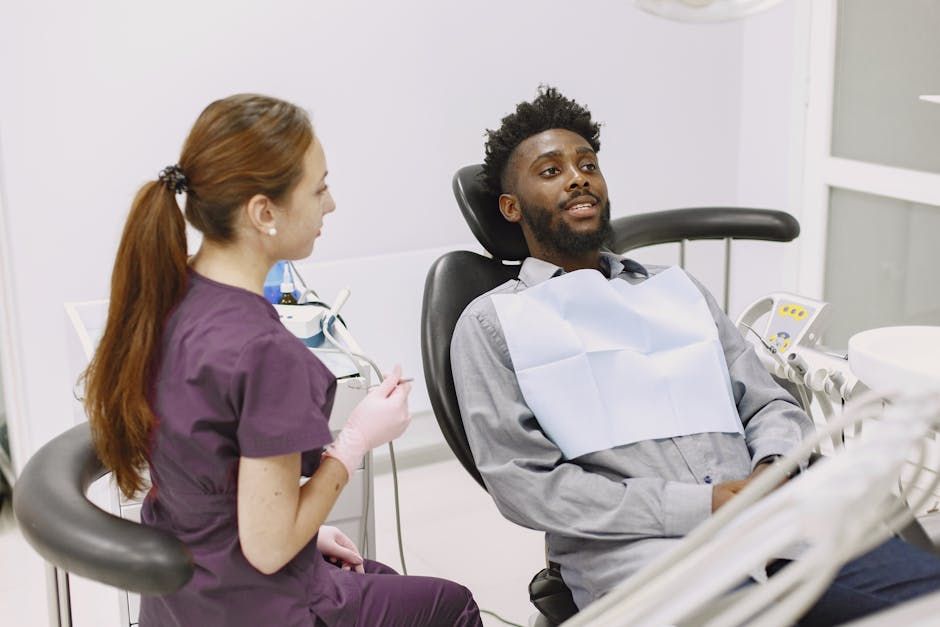
After consuming acidic foods and beverages—like cranberry sauce, wine, or citrus-based desserts—wait at least 30 minutes before brushing your teeth. Acidic foods temporarily soften your enamel, and brushing immediately can actually damage this softened layer. Instead, rinse your mouth with water right after eating, then brush after the half-hour waiting period. This gives your saliva time to remineralize your enamel and return it to its normal hardness.

4. Maintain Your Dental Routine Despite Busy Schedules

Winter in New Hampshire brings shortened daylight hours, challenging weather conditions, and packed holiday schedules. Between shopping for gifts, attending parties, traveling to visit relatives, and managing winter storm preparations, it's easy to let your dental care routine slide. However, consistency is absolutely critical for maintaining optimal oral health.

Your mouth doesn't take holidays or snow days. Bacteria continue working 24/7 to form plaque and produce acids that damage your teeth. Missing even a single brushing session gives these bacteria additional time to colonize your teeth and gums. Over the course of a busy holiday season, inconsistent dental care can lead to cavities, gum inflammation, and other problems that will require professional treatment in the new year.

Set reminders on your phone if necessary, or tie your dental routine to other daily habits that you never skip. For example, brush your teeth immediately after your morning coffee or right before you check your phone one last time before bed. Place your toothbrush and floss in a highly visible location where you'll see them as part of your natural daily flow.

If you're traveling to visit family in other parts of New England or beyond, pack a travel dental kit with a toothbrush, toothpaste, floss, and even a small bottle of mouthwash. Don't rely on finding these items at your destination or assume you'll remember to purchase them. Having your own supplies ensures you can maintain your routine regardless of where your holiday travels take you. Have you found it challenging to stick with your dental care during previous holiday seasons?

5. Schedule Your Winter Dental Checkup

Many New Hampshire families put off dental appointments during the winter months, thinking they'll wait until spring when the weather improves and schedules calm down. This is actually the worst time to skip your professional dental care. Winter is when your teeth face the most stress from environmental factors, dietary changes, and routine disruptions—making it the most important time for professional monitoring and preventive care.

Professional cleanings remove hardened plaque (tartar) that you simply cannot remove with brushing and flossing alone. This tartar buildup accelerates during winter months when people tend to consume more sugary foods and when dry mouth conditions allow bacteria to thrive. A thorough professional cleaning eliminates these deposits and gives your teeth a fresh start, protecting them through the remainder of winter.

During your winter checkup, we can identify early signs of problems like cavities, gum disease, or enamel erosion before they develop into serious, painful, and expensive issues. We can also provide targeted fluoride treatments that strengthen your enamel against acid attacks, and we can assess whether you need additional interventions like sealants or customized mouth guards for winter sports activities.

Winter also happens to be an excellent time to maximize your dental insurance benefits. Many insurance plans reset on January 1st, meaning any unused benefits from the current year will be lost forever. By scheduling your checkup and any necessary treatments before the end of the year, you're making the most of the insurance premiums you've already paid. Then, if you need additional work in the new year, you'll have a fresh set of benefits to apply toward those treatments.

Your Partner in Winter Dental Health

At Smiles of NH, we understand the unique challenges that New Hampshire winters present for your family's oral health. We've helped countless local families navigate these seasonal concerns, and we're here to support your smile through every season of the year. Our team stays up-to-date on the latest preventive strategies and treatment options specifically designed to address the dental issues that arise in our northern climate.

Don't let winter take a toll on your family's smiles. Whether you're dealing with temperature sensitivity, dry mouth, or you simply want to ensure you're doing everything possible to protect your teeth during these challenging months, we're here to help. Our convenient location makes it easy for families throughout the region to access quality dental care without battling through excessive travel in winter weather.

Ready to give your family the gift of healthy smiles this winter? Contact Smiles of NH today to schedule your winter dental checkup. Call our office or book online to find an appointment time that works with your busy holiday schedule. Let's work together to keep your family smiling brightly through every New Hampshire winter!
January 2, 2026
Looking for a dentist in Londonderry, NH? Start 2026 with a healthier, brighter smile! Discover essential dental resolutions and why our Londonderry family dental practice is your partner for achieving your oral health goals this New Year.
By skatragadda09 December 28, 2025
Discover practical strategies to overcome dental anxiety and feel comfortable during visits. Learn relaxation techniques, communication tips, sedation options, and how to find the right dentist for anxious patients.
By Gerald M June 27, 2019
More and more parents are starting to recognize how important it is to provide age-1 dental care for their kids but many are still not sure what kind of dentist their child should be seeing. According to Cindy Bauer, DDS, MAGD, a spokesperson for the Academy of General Dentistry, there are many general dentists who are qualified to care for children. “Parents should seek out a dental office that provides a fun environment for children, so that they are excited about coming to the dentist’s office.” This is why so many dentists have gone out of their way to create an office environment that is specifically child-friendly. They may have entertainment available for children and parents including video games, books, games, and access to movies. In order to best prepare the child and avoid any surprises, parents should speak to the dentist about what procedures will happen at the first appointment. Parents should also have a plan in mind for either reaction from the child – a positive or a negative. Remember that very small children may have trouble sitting still during the visit. Build excitement by speaking to the child ahead of time about what they can expect. Also, remember to bring the child’s complete medical history for the dentist to review. If a parent can sense anxiety in their child with regard to the dentist, they should find out whether the dentist is willing to do a pre-visit. In many cases, the dentist will use a pre-visit to ease any fears the child may have by letting them get used to the office. They will give the child a tour of the facility, show them the tools they will use during the exam, let them sit in the dentist’s chair, and possibly even demonstrate on an older family member. The most important thing, according to Dr. Bauer, is to make sure children have regularly scheduled visits with their dentist. “This will help them have better oral health for the rest of their lives.” How to Calm Your Child’s Nerves About the Dentist: · Ask the dentist about the best way to explain the dental visit to your child. · Arrange for your child to have a tour of the dentist’s office prior to their visit. · Ask if the child can bring an older family member into the exam room with them. · Avoid giving your child foods with caffeine or sugar prior to the appointment. If you are looking for a Londonderry, NH dentist , look no further than the Smile of NH Family Dental. We are currently accepting new patients and would love to help you get that beautiful smile you deserve. For more information about our services to schedule an appointment, please click here .
By Gerald M June 22, 2019
Summer is finally here, and many people are finally going on their long-awaited vacations. Of course, nobody wants to have an issue with their teeth when they are away from home but being prepared for this type of issue can help you deal with it faster and get back to your vacation. Here are a few tips on how to handle a dental issue while you are on vacation. They always say that the best defense is a good offense. Make sure that you are up to date on your dental checkups before you leave on vacation. This will help you identify any small issues with your teeth that have the potential to turn into major problems while you are away. Not only will you have more peace of mind, but your dentist will have updated records just in case you do run into trouble. Of course, emergencies sometimes occur, even when you have taken all the right steps to prevent them. Keep contact information for your dentist with your travel documents and make sure that you have the office number in your phone. In many cases, your dentist will be able to help you solve your dental problem over the phone and help you get comfortable until you can come home and have an appointment. If you are out of the country, getting the dental care you need may be a bit more complicated, but it is still possible. Contact the US embassy to find a dentist who was trained in the United State. Cruise ships and resort hotels often have a list of providers for emergency dental services. Ask the concierge to help you set up an emergency appointment. When you are out of the country visiting friends or family, go with their best recommendation for dental care. In the hustle and bustle of preparing for a vacation, we often forget something as simple as packing a toothbrush. If you are stuck without a toothbrush and nowhere to get one, you can still take simple steps to clean your teeth. Rinse thoroughly with water to remove bacteria and sugars from the surface of your teeth. You can also put toothpaste on a washcloth until you are able to locate a proper toothbrush. When you do track one down, an ADA approved toothbrush is best but, if that isn’t possible, try to find one with soft bristles. Most of your favorite toothbrush brands can be purchased in any area of the world. Make sure that when you do pack your toothbrush, you do it with care. When we are at home, our toothbrushes have a chance to dry out. Bacteria won’t grow in a dry environment because it needs moisture to live. However, if you brush your teeth right before you leave, you might not have time to let it dry before you need to pack it. In this case, put your toothbrush in a clean plastic bag and keep it away from other items in your suitcase. As soon as possible, take your toothbrush out so that it can dry completely. Sugarless gum is one of the most important things you can keep on you for your dental health while you are traveling. For one thing, it will offer much-needed relief if you experience ear pressure during a plane takeoff or landing. However, sugarless gum can also help reduce your risk of cavities. If you are indulging in a lot of sweet treats during your vacation, chew a piece of sugarless gum afterward to protect your teeth. If you have a crown or bridge in your mouth that becomes loose during vacation, you can use sugar-free gum as a temporary hold until you can get to a dentist. It can also help as a temporary solution for tooth sensitivity when you’re on the road. Remember that not all areas where you travel will have water that is ideal for brushing your teeth. If you aren’t sure, pour bottled water onto your toothbrush instead. You do not want to have your vacation ruined by an illness as a result of ingesting contaminated local water. After your vacation, get right back to your normal oral hygiene routine. Spend some extra time brushing and flossing to make up for any lapses during your trip. Get back to healthy eating habits. There is no problem with indulging on vacation if you can get back to your normal habits when you get home. Looking for a Londonderry, NH dentist ? SmileofNH Family Dental is now accepting new patients. For more information about our services or to request an appointment, click here .
By Gerald M June 15, 2019
We all know how expensive raising a family can be in today’s world. When you start adding dental bills into the mix, the costs can really start to get out of hand. Unfortunately for most parents, it is a do as I say world, but that is not how children work. They are like sponges and watch every move we make. More importantly to realize is the fact because parents are literally their world, they try to emulate everything mom and dad do as well. Keep that in mind when it comes to your oral health regimen because you need to set the example for your children and show them how to properly care for their teeth the moment they understand tasks like brushing and rinsing. Here are some tips to help ensure you keep your child’s dental health in check and maybe yours as well: Don’t Miss Dental Appointments – this is literally the most basic of oral hygiene regimens. You simply cannot afford to miss a dental appointment because what often happens is you start to become afraid to go for fear of what you may find out. Keep the appointment, period. Sweets Between Meals – ideally, you avoid sweets. But, let’s face facts, we like them just as much as our children do. When picking snacks for the children, try to pick snacks that are healthy and hand them a bottle of water with the snack. Instead of candy, try some frozen grapes or blueberries. Make a game of swishing water around in the mouth after they are done eating to reduce the residue on their teeth. That will suffice until you can get them home to brush. Drinks Before and After Bed – if you are like me, you tend to take a drink to bed with you. For many parents, this often means some type of fruit juice in a sippy cup for the children, which is a big mistake. All the sugar in the drink will be sitting in their mouth all night long eroding away at the tooth enamel. The nighttime drink should be water, period. Brushing Before Bed – getting kids to brush their teeth before bed can be a nightmare, but it is a must to ensure good oral health. Today, there are numerous children-themed toothpastes as well as cool toothbrushes that can be used to make it fun. Put an egg timer on the sink and if they brush for the entire two minutes, give them a reward. You have to make them want to brush their teeth because this is a habit that will last them a lifetime. Do you need to make a dental appointment for your children? If you are looking for a Londonderry, NH dentist , SmileofNH Family Dental is accepting new patients. For more information about our services or to request an appointment, please click here .
By Gerald M June 8, 2019
If you make regular dental visits, you may sometimes notice your teeth are a bit more sensitive after getting treatment. These sensations usually fade over time, however, there are times when that sensitivity continues without abating. Today, we are going to look at how and why this happens as well as what you can do to address it. Deep Cleaning Will Impact Sensitivity For most people, the bi-annual visit to the dentist means the removal of bacteria under the guns and tartar that has calcified on and between the teeth. The dentist or oral hygienist will use a regular pick as well as a small water pressure tool to remove this. For more severe cases, a root planing is done, usually in quadrants (generally, you are also given a local to numb the area being cleaned). When this is done, is it not uncommon to experience sore gums, bleeding gums, and extra-sensitive teeth, especially after a planing is conducted. One of the reasons the teeth will often feel a bit more sensitive is because the plaque has been removed from the surface. These parts of the tooth are once again exposed to the elements. In a normal situation, the extra sensitivity should start to subside in a day or so, and everything should be normal within a few days, a week at the longest. As you brush your teeth, carefully, throughout the week, this will actually help the situation along. In the meantime, avoid eating excessively cold or hot food. When possible, use a straw to drink your liquids to avoid direct contact with the teeth. If the problem persists, however, you should contact your dentist to alert him or her of the situation. Taking Care of Teeth After a Deep Cleaning It is important to understand that even though you may be experiencing some extra sensitivity from your teeth and gums, you still need to maintain a regular oral health regimen, however, there will be some moderate changes in the usual activity. For instance, you should avoid flossing for a day or so to allow the gums to recover. If, however, you have a water flosser, you can reduce the setting and use it to massage the gums and remove loose particles from between the teeth. When brushing your teeth, be sure to use a tooth brush with soft bristles so as not to aggravate the situation further. As mentioned above, avoid liquids of extreme temperature and use a straw to drink when possible. Are you in need of a dental cleaning? If you are looking for a Londonderry, NH dentist , SmileofNH Family Dental is accepting new patients. To learn more about our service or to schedule an appointment, please click here .
By Gerald M June 2, 2019
For many individuals, their next dental appointment may be their first. A far too common thought process is if you are brushing twice daily and flossing, there is simply no need to go to the dentist. That, obviously, is wrong. Regardless of how strict of an oral hygiene regimen you have on your own, bi-yearly dental visits are imperative to ensure good oral health. Now, since it may have been some time since you last visited a dentist or it is your first visit, here are some tips on how to prepare for a visit to the dentist’s office: Learn How to Brush Properly For as long as most of us can remember, we have been brushing our teeth. The question is, though, are you brushing your teeth the right way? Here are the basics in how to brush your teeth properly: · Use soft-bristled brush · After adding toothpaste to the brush, place the brush at the gumline at a 45-degree angle and brush gums before brushing your teeth · When done along the gumline, focus on brushing the front of the teeth before doing the rear · The brush should move vertically across the teeth rather than horizontally (this helps remove plaque from all angles) · Ensure you reach the rear of your mouth to brush the molars (which are often missed, creating the biggest problems for dental visits) Flossing Properly After you have brushed and rinsed, it is time to floss. This will ensure the small food particles left behind and wedged between teeth and under gumlines are removed. Start flossing at the rear bottom, slipping the floss between the teeth and gently moving it upwards. Once the lower level is done, repeat the process on the upper level. For even better results, invest in a water flosser, as they are far more effective than using standard floss. Using Mouthwash The use of a proper mouthwash is just as vital as the first two steps. Today, there are so many varieties and brands, it is virtually impossible not to find something both effective and palatable. You may want to discuss a specific brand with your dentist to ensure you are using a mouthwash most compatible with your needs/concerns. When rinsing, swish a small amount of mouthwash around vigorously for about a minute, then spit out. Looking for a new Londonderry, NH dentist? SmileofNH Family Dental is now accepting new patients and we would love for you to become part of our dental family. For more information about our services or to make an appointment, please click here .
By Gerald M May 29, 2019
Now that the warmer weather is saturating the country, the consumption of sugary drinks is going to escalate considerably. Be it sweet tea or a sports drink or soda pop, people will be tossing them down to quench their thirst and battle the heat. With each sip, though, depending on the type of drink being consumed, you could be doing considerable damage to your teeth. Sure, it may take some time to come to fruition, but all that sugar will take a toll. Defining ‘Sugary’ Drinks It is very important to make note that even some drinks deemed healthy can actually do damage if the proper oral hygiene regimen is not in place. In this particular category, fruit drinks come to mind. Drinks like orange juice, cranberry juice, and smoothies fall into this category. While they may be “healthy” drinks, they also happen to be loaded with sugars. The Damage Whenever you toss down one of these sugar-packed drinks, you are unleashing the sugar on your teeth. While you may believe you have swallowed every ounce of the drink, rest assured, remnants of it are left behind on the surface of the tooth. When this happens, the bacteria in your mouth meant to consume the sugar are also doing damage to the surface of the tooth, eating away at the enamel. Eventually, that enamel gets weaker and we see the beginnings of a cavity forming. Avoiding the Damage of Sugary Drinks The obvious answer here is to cut out sugary drinks altogether, but that is not realistic, especially for health enthusiasts and athletes. For many people, those sugary drinks are the difference in completing the long run or ride and bonking out. Luckily, there are a few things you can do to minimize the damage done and keep the risk of cavities to a minimum. Today, there are several options for rinsing your mouth on the go. Listerine is now selling “portable” chews that can be used. When you are really in a crunch, simply take some water and swish it around in your mouth to get as much of the sugar off your teeth and out of your mouth as possible. For athletes, simply carry an extra bottle filled with water and sip that after sipping on your sports drink. If you have been putting off going to the dentist, now is the time to get your oral health back on track. If you are in need of a Londonderry, NH dentist , SmileofNH Family Dental is now accepting new patients and we would love to have you join our family! For more information about our dental services or our contact information to make an appointment, please click here .
By Gerald M May 23, 2019
Although it is an outpatient procedure, tooth extraction for both adults and children is a major medical procedure that will require at least one day of recovery. In some cases, it takes several days if several teeth were extracted or if it was difficult to remove them. Dentists recommend having this type of procedure during vacation periods when patients are already at ease and have the time available to heal. Following the extraction, it is necessary to eat a diet of soft foods that will not irritate the area during recovery. Ice Cream If a patient does not have sensitive teeth, ice cream is one of the first things that they should reach for following a tooth extraction. Even the sorest mouths can generally handle ice cream because it is both soft in texture and cool in temperature. In fact, it is so cold that it can often effectively reduce swelling of the gums as a result of the procedure. Soft serve ice cream is the best option but remember that this is not the time for candy toppings or sprinkles that can get into the healing gums and cause complications. It is also important to remember to rinse your mouth out after eating to avoid any sugar buildup. Cool Soup Another meal option following a tooth extraction is soup, served either cool or lukewarm. At certain times of the year, especially summer, smooth gazpacho may be an even better option than a cool broth. Not only is soup easy to ingest following oral surgery, but it is often packed with nutrients and protein that can aid in the healing process. Make sure you choose a soup that is as smooth as can be to avoid any discomfort. Small noodles or pieces of vegetable are fine but you should avoid any ingredients that would require you to chew while your mouth is healing. Scrambled Eggs Scrambled eggs are a great option after oral surgery because they are nutrient-rich but also soft and require very little chewing. Just make sure that they have adequately cooled before you eat them. Smoothies A fruit smoothie is one of the best ways to get your daily dose of nutrients following a tooth extraction. Blend your fruits with yogurt to enhance your smoothie with calcium, probiotics, and protein. Using a dairy base for your smoothie also reduces the acidity from the fruit, making it less likely to irritate your gums as they heal. If you are in need of dental care and looking for a Londonderry, NH dentist , consider using SmileofNH Family Dental. We are currently accepting new patients and would love to hear from you. For more information about our services, please click here .
By Gerald M May 2, 2019
After recognizing the four stages of gum disease, you must take immediate steps to control your condition before it gets any worse. Gum disease that is left unattended for too long could result in the need for painful surgery or even in the loss of your teeth. Unfortunately, many people wait after recognizing the 4 stages of gum disease because they are nervous about what comes next. Knowing what to expect makes it much easier to move forward and improve your dental health. Recognizing the 4 Stages of Gum Disease There are four stages of gum disease, each with increasingly serious consequences for your overall oral health. For the best chance of recovery, it is vital that you notice the early signs of trouble with your gums. For example, if you notice blood in the sink when you brush your teeth, you may be experiencing the early signs of gum disease. Bad breath, shrinking gums, and sensitive teeth are also common signs of gum disease that often go overlooked by the folks suffering from them. A Deep Cleaning One of the first steps that your dentist will take the correct your gum disease is a deep cleaning. This is a much more in-depth process than the cleaning you would have at a normal checkup and may require more than one visit to complete. The cleaning will include work below your gum line in order to make sure that all of the bacteria is removed from the area. Your dentist may also complete a process called scaling, which involves scraping plaque and tartar from the teeth and gums. Additional Treatment In some cases, your doctor may also prescribe medication to help control the infection in your gums before it begins to spread. This may be an oral antibiotic that you take over a period of weeks or, in some cases, an antibiotic gel that you apply directly to the infected area. Whatever the case may be, it is important that you follow your dentist’s instructions and complete the prescription, even if you think that your symptoms have stopped. If you think spot any of the four stages of gum disease, you should make an appointment with your dentist immediately. Early intervention can prevent much more serious issues as your disease progresses through the stages. Although it can be scary, remember that the longer you wait, the more serious the procedures will be to correct the damage done. If you are in need of a dentist and looking for a Londonderry, NH dentists accepting new patients, SmileofNH Family Dental can help. For more information about our services and location, click here .
Share by:
Book Appointment

Hello šŸ‘‹, I’m Eva

online