Nutrition and Your Teeth: Foods That Help vs. Hurt
Most people know that brushing and flossing are essential for a healthy smile — but what you eat plays an equally powerful role in the condition of your teeth and gums. Every meal and snack you consume either supports your oral health or works against it. The team at Nanarao Krothapalli DMD PLLC in Londonderry sees the real-world effects of diet on dental health every day, and we want our patients throughout Londonderry, Derry, Manchester, and Windham to understand how to make food choices that protect their smiles for the long haul.
The connection between nutrition and oral health is deep and well-documented. The bacteria naturally present in your mouth feed on sugars and carbohydrates, producing acids that erode enamel and cause cavities. Meanwhile, certain nutrients actively strengthen teeth, support gum tissue, and help your mouth fight off infection. Understanding which foods belong in which category can make a meaningful difference in your long-term dental health — no extra products or complicated routines required.
Foods That Help: Smile-Friendly Nutrition
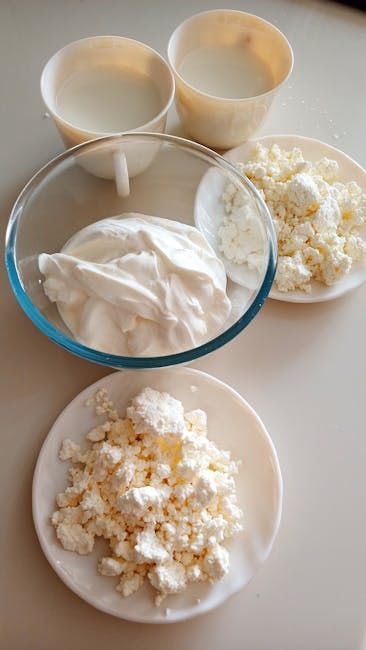
Dairy products — including milk, cheese, and plain yogurt — are among the most powerful foods for dental health. They're rich in calcium and phosphorus, the two minerals that make up the hard structure of your teeth. Calcium helps remineralize enamel that has been slightly weakened by acids throughout the day, essentially repairing microscopic damage before it becomes a cavity. Cheese in particular is a dental superstar: it stimulates saliva production, which helps neutralize acid in the mouth, and its casein proteins have been shown to strengthen enamel directly. For families in Londonderry and neighboring communities grabbing a quick snack, a piece of cheese is one of the best choices you can make for your teeth.
Crunchy fruits and vegetables deserve a spot on every smile-friendly shopping list. Apples, carrots, celery, and cucumber all have a high water content and a fibrous texture that gently scrubs tooth surfaces as you chew. This mechanical action helps dislodge food particles and stimulate saliva flow — your mouth's natural defense system against bacteria and acids. These foods also tend to be low in sugar compared to processed snacks, making them a double win for oral health. While they're no substitute for brushing, crunchy produce is a fantastic mid-day snack choice when a toothbrush isn't handy.
Leafy greens like spinach, kale, and romaine lettuce are nutritional powerhouses for your mouth. They're loaded with calcium, folic acid, and a range of vitamins that support healthy gum tissue and reduce inflammation. Folic acid in particular has been linked to healthier gums and a reduced risk of periodontal disease. Adding a salad or some greens to your meals is one of the easiest ways to give your oral health a nutritional boost. Nuts and seeds — especially almonds, walnuts, and sesame seeds — are another excellent choice, providing calcium, healthy fats, and phosphorus without the high sugar content of many snack foods.
Water, especially fluoridated tap water, rounds out the list of most smile-friendly choices. Drinking water throughout the day rinses away food particles and bacteria, dilutes acids, and keeps your mouth hydrated so saliva can do its job. Fluoride in tap water has been proven to strengthen enamel and reduce cavity rates at a population level — it's one of the most impactful public health interventions in dental history. For our Londonderry patients who may prefer bottled water, be aware that most bottled waters do not contain fluoride, making fluoride toothpaste even more important in your daily routine.
Foods That Hurt: What to Limit or Avoid
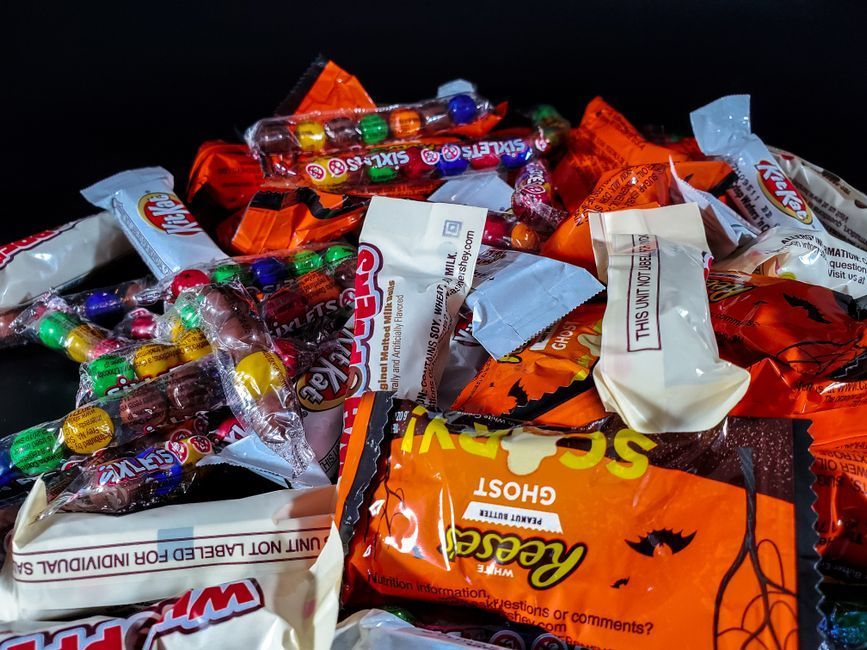
Sugary foods and beverages are the most well-known villains in the dental world — and for good reason. When you consume sugar, the bacteria in your mouth immediately begin feeding on it and producing lactic acid as a byproduct. This acid directly attacks your tooth enamel, and repeated exposures throughout the day lead to progressive enamel erosion and cavity formation. The problem isn't just candy and desserts; sugar hides in places many people don't expect, including flavored yogurts, granola bars, sports drinks, fruit juices, and even many crackers and breads. Reading nutrition labels is a valuable habit for anyone trying to reduce sugar exposure for their teeth.
Acidic foods and drinks deserve equal attention. Citrus fruits, tomatoes, vinegar-based dressings, and carbonated beverages — including sparkling water — are all highly acidic. Acid softens enamel temporarily, making it more vulnerable to being worn away through brushing, grinding, or simply eating. Soda is particularly damaging because it combines high acidity with high sugar content, delivering a double blow to your enamel with every sip. If you do consume acidic foods or drinks, a helpful strategy is to rinse with plain water immediately after and wait at least 30 minutes before brushing — brushing softened enamel can actually accelerate the damage.
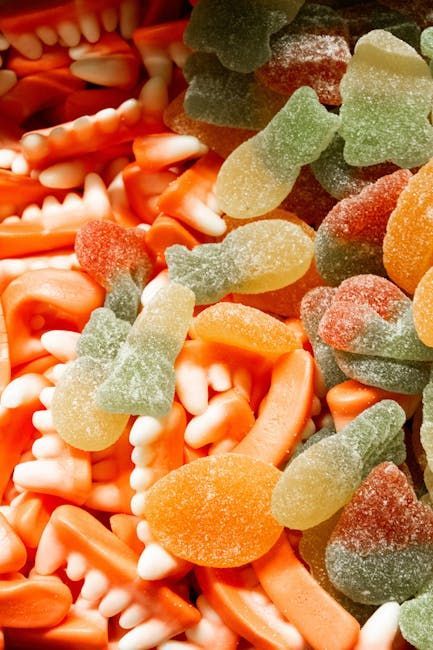
Sticky and chewy foods — dried fruits, gummy candies, caramel, and even certain granola bars — are particularly harmful because they cling to tooth surfaces for extended periods. Unlike a piece of fresh fruit, a handful of raisins or a chewy candy bar can leave sugar pressed against your enamel for an hour or more after eating. This prolonged contact gives bacteria far more time to produce acid and cause damage. If you enjoy dried fruit or sticky snacks, try to eat them as part of a meal rather than as a standalone snack, and brush or at least rinse with water afterward.
Starchy foods like white bread, chips, and crackers are often overlooked but can be surprisingly problematic for teeth. Starch breaks down quickly into simple sugars in the mouth, and the sticky, paste-like texture that forms when these foods mix with saliva allows them to pack into the grooves and crevices of your teeth. This is especially relevant for back molars, where much of the chewing happens and where cavities are most common. Opting for whole grain alternatives reduces the rate of sugar conversion and provides more fiber, which is easier on your teeth.
Timing and Habits Matter as Much as Content
It's not just what you eat — it's how often and when you eat it. Every time you consume food or drink (other than water), your mouth enters an acidic environment for approximately 20 to 30 minutes as bacteria process the sugars. If you sip on juice, coffee with sugar, or soda throughout the day, your mouth never fully recovers to its neutral pH, and your enamel is under near-constant acid attack. Consolidating snacks and sugary drinks to mealtimes — rather than grazing continuously — dramatically reduces the total time your teeth spend in that acidic state.
Finishing a meal with a tooth-friendly food can also make a meaningful difference. A small piece of cheese, a few almonds, or a glass of water at the end of a meal can help neutralize acids and give your enamel a better chance to remineralize before your next brushing. These small, practical habits, combined with consistent twice-daily brushing, daily flossing, and regular visits to our Londonderry office, create a comprehensive approach to dental health that protects your smile from every angle.
Nanarao Krothapalli DMD PLLC — Londonderry, NH
At Nanarao Krothapalli DMD PLLC, we believe that a healthy smile starts with knowledge — and we're always happy to discuss nutrition, oral hygiene habits, and personalized care plans with our patients from Londonderry, Derry, Manchester, Litchfield, and beyond. Whether you're due for a cleaning or have questions about your diet and dental health, our friendly team is here to help.
Ready to give your smile the care it deserves? Contact us today to schedule your next visit. Call (603) 432-6430 or stop by at 25 Nashua Rd #3, Londonderry, NH 03053. Your healthiest smile starts with what's on your plate!