What to Do When a Crown Falls Off
You're eating dinner, biting into something chewy, and suddenly there's a hard little object in your mouth. You fish it out and realize — it's your dental crown. The tooth underneath feels strange and exposed. What do you do? First, take a breath. A fallen crown is one of the most common dental emergencies we see, and in most cases it's very manageable. The key is knowing what to do in the next few hours — and what to avoid.
At Nanarao Krothapalli DMD PLLC, we serve patients throughout Londonderry, Derry, Manchester, Hudson, Windham, and the surrounding communities, and we're no strangers to the mid-meal crown situation. This guide will walk you through exactly what to do from the moment the crown comes off to the moment it's back in place — and help you understand why it happened in the first place.
Step One: Don't Panic — But Do Act Quickly
A lost crown is urgent, but it's not a life-threatening emergency. The exposed tooth won't suddenly crumble or fall out. That said, the tooth underneath your crown has been shaped and reduced to accommodate the crown — meaning it no longer has its full natural structure. Without that crown protecting it, the tooth is vulnerable to temperature sensitivity, pressure pain, and potential damage if left exposed for too long. Acting within 24 to 48 hours is ideal.
Your first move should be to locate the crown if possible. It may be in your food, on your plate, or still in your mouth. Rinse it gently under warm water if it's been in contact with food. Do not scrub it with a brush or use any harsh cleansers. You'll want to save the crown in a small plastic bag or container — your dentist may be able to recement it if it's still in good shape, saving you the time and cost of fabricating a new one.
Call our office as soon as possible to schedule an appointment. We do our best to accommodate crown emergencies quickly, knowing how uncomfortable an exposed tooth can be. If you call and our office is closed, leave a message and let the on-call guidance help you in the meantime.

Step Two: Protect the Tooth in the Meantime
While you're waiting for your appointment, there are a few things you can do to protect the exposed tooth and manage discomfort. Dental cement — available without a prescription at most pharmacies, sold under brand names like Dentemp or Recapit — can be used to temporarily reattach the crown at home. This is not a permanent fix and should not replace professional care, but it can reduce sensitivity and protect the tooth structure until you're seen.
To use temporary cement, make sure both the crown and the tooth are dry. Apply a small amount of the cement inside the crown, seat it carefully over the tooth, and bite down gently to press it into place. Wipe away any excess. Avoid eating on that side of your mouth and stick to soft foods. Do not use super glue, household adhesives, or any non-dental products to reattach a crown — these can damage the tooth, the crown itself, and the surrounding gum tissue, and they make your dentist's job harder.
If the tooth is sensitive to air, cold, or touch, over-the-counter pain relievers like ibuprofen or acetaminophen can help manage discomfort. Clove oil, available at most pharmacies, can also be dabbed gently onto the exposed tooth surface with a cotton swab — it has mild numbing properties and has been used for centuries as a temporary dental pain remedy. These measures will get you through until your appointment without making things worse.
What NOT to Do
Just as important as knowing what to do is knowing what to avoid. Do not ignore a fallen crown and hope the tooth will be fine on its own. Without the crown's protection, the tooth can fracture under normal biting pressure — especially if there's any existing decay underneath the crown, which may be part of why the crown came loose in the first place. A fractured tooth is a much more serious situation than a loose crown.
Do not attempt to reshape or modify the crown at home. Even if it seems to fit a little differently than you remember, resist any urge to file it down or adjust it — you could permanently alter the fit and make it unusable. Do not chew hard or sticky foods on the side of the mouth with the exposed tooth. Sticky foods like caramel or gummies can pull a temporary crown right back off, and hard foods can chip or crack the vulnerable tooth structure underneath.
If you swallowed the crown, don't panic — crowns are not toxic and will typically pass through the digestive system without issue. However, you will need a new crown fabricated, so contact our office to let us know and begin that process as soon as possible.
Why Do Crowns Fall Off in the First Place?
Crowns don't last forever, and they don't fall off randomly. There's almost always a reason — and understanding it helps prevent it from happening again. The most common cause is cement failure. The cement used to hold a crown in place can weaken over time, especially in areas exposed to heavy chewing forces. If a crown has been in place for ten or more years, the cement bond may simply have reached the end of its useful life.
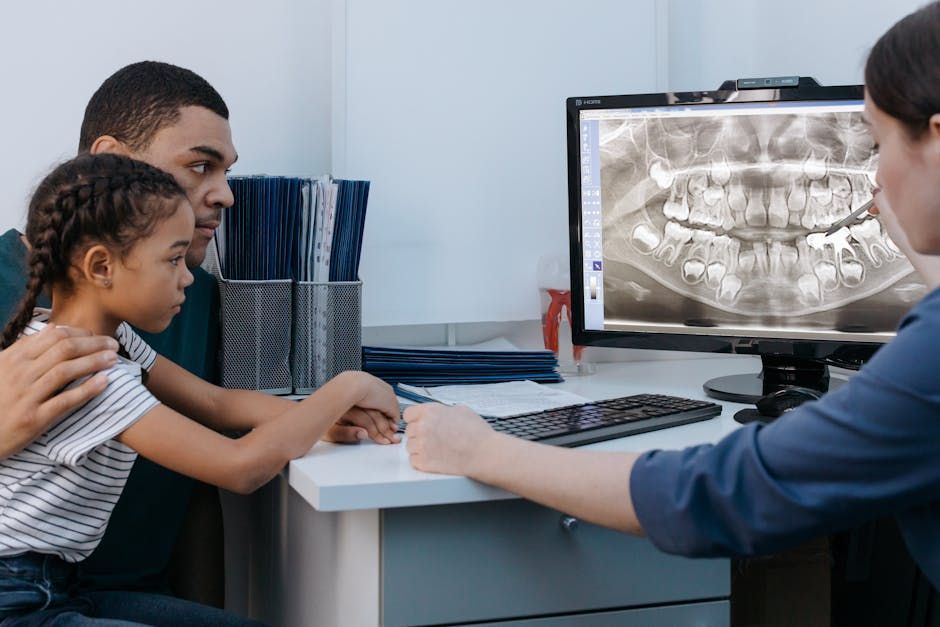
Decay under the crown is another very common cause. If bacteria have worked their way under the crown and caused decay in the tooth beneath, the bond between crown and tooth weakens. This is one of the reasons why regular dental checkups matter even when your crown feels fine — decay underneath a crown doesn't always announce itself with pain until it's advanced. X-rays allow us to catch it early.
Habits like grinding your teeth at night (bruxism), chewing on ice, or biting hard objects like pen caps or fingernails can also stress and loosen a crown over time. If grinding is an issue for you, a custom night guard can significantly extend the life of your crowns and other dental restorations. Changes in the tooth structure itself — small shifts in bite alignment, adjacent teeth moving — can also affect how a crown fits and functions over time.
What Happens at Your Appointment
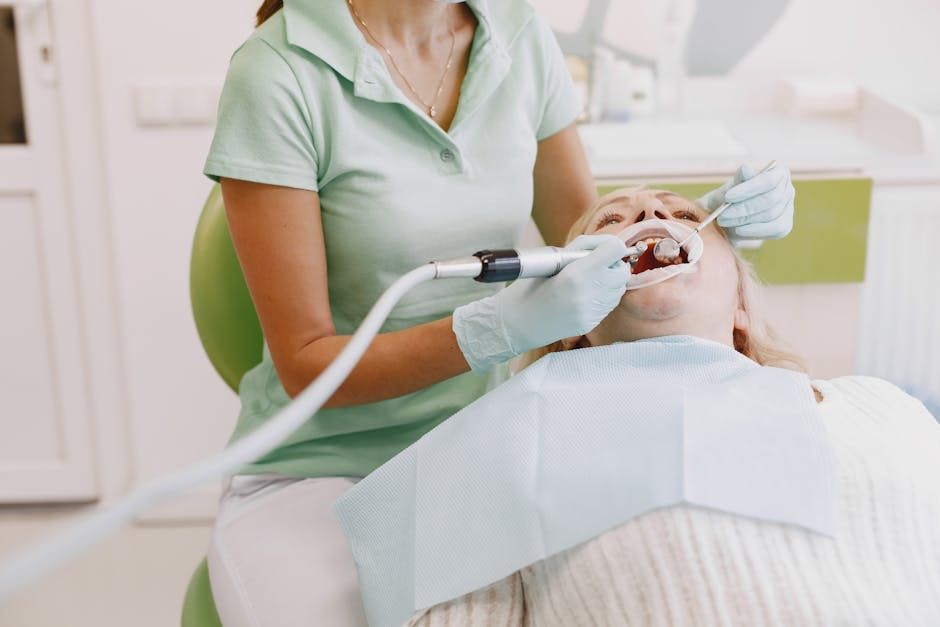
When you come in with a fallen crown, the first thing we do is examine both the crown and the tooth underneath. We'll check whether the crown itself is intact and can be recemented, or whether it's cracked or otherwise damaged and needs to be replaced. We'll also examine the tooth for any signs of new decay, damage to the underlying structure, or changes in fit that might explain why the crown came off.
If the crown is in good shape and the tooth is healthy, recementing is a straightforward procedure that takes just one appointment. We clean the tooth thoroughly, apply a fresh layer of dental cement, seat the crown, check your bite, and you're done. If there's decay or damage involved, we'll address that first and discuss the options for restoring the tooth before placing a new crown. We'll always walk you through the situation clearly and give you a plan that makes sense for your specific situation.
Nanarao Krothapalli DMD PLLC
A fallen crown is stressful in the moment, but it's one of the most solvable dental problems there is. The worst thing you can do is wait — and the best thing you can do is call us right away. Whether you're in Londonderry, Derry, Manchester, Hudson, Windham, Litchfield, or anywhere across southern New Hampshire, our team is ready to help you get that crown back where it belongs and your smile back to normal.
Crown fell off? Contact Nanarao Krothapalli DMD PLLC today for a prompt appointment. Call us at (603) 432-6430 or visit us at 25 Nashua Rd #3, Londonderry, NH 03053. We're here when you need us.